

Why Tarot Decks Are Becoming a Scalable Printed Product Category
Tarot decks are no longer limited to niche spiritual shops. Over the past decade, they have developed into a structured specialty printing category with global retail presence. For publishers, entertainment companies, card game manufacturers, and distributors, tarot decks now represent a flexible product line with strong customization potential.
Unlike highly regulated toy categories, tarot cards are printed paper products. This makes them suitable for OEM/ODM production, private label development, and scalable bulk manufacturing. At the same time, demand is driven by emotional connection, visual design, and collectibility, which allows for premium pricing strategies.
For buyers and product managers, the key question is not whether tarot exists as a trend. The real question is whether tarot decks remain commercially viable as a scalable printed product category in 2026.
Is Custom Tarot Card Becoming More Popular in 2026?
Let's continue reading together.
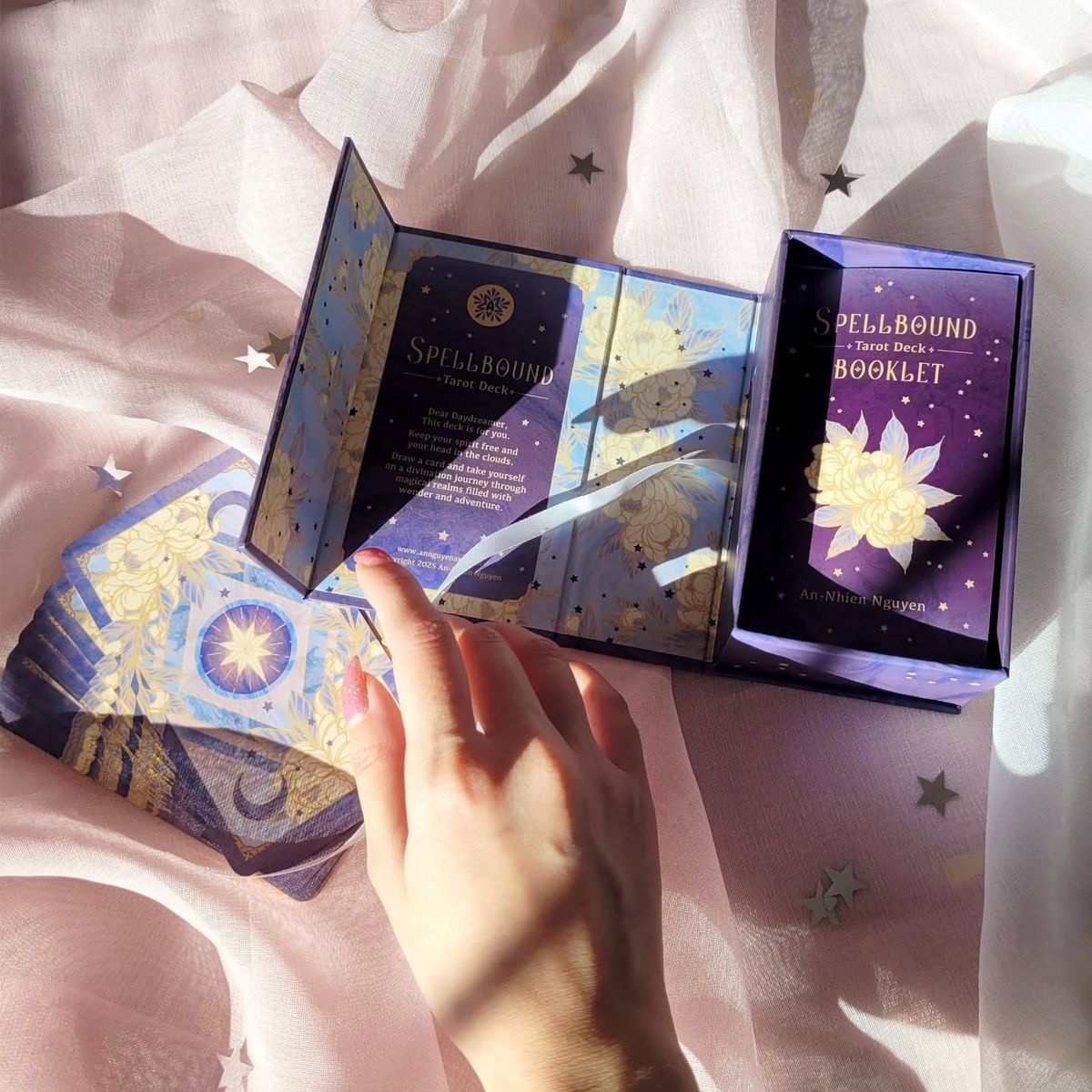
How Big Is the Global Tarot & Card Market in 2026?
The global tarot and oracle card market continues to show steady performance within the broader specialty card and gift product sector. While it is not a mass-market board game category, it operates as a stable niche with recurring demand.
Market indicators show:
Consistent search interest across Google
Expanding SKU volume on Amazon and Etsy
Regular successful crowdfunding campaigns
Growing international distribution channels
E-commerce has played a major role in expanding reach. Cross-border sellers now distribute tarot decks globally through Amazon, Shopify, and marketplace platforms. This has lowered entry barriers for publishers and brand owners looking to introduce private-label tarot decks.
From a manufacturing standpoint, tarot decks fit well within existing custom card production lines. The product format is standardized (typically 78 cards), which allows production efficiency while still supporting strong customization.
Wholesale tarot cards also remain active in gift stores, bookshops, and specialty retailers. Distributors continue to reorder proven designs, creating repeat bulk production opportunities.
The growth rate is moderate but stable. This stability is important for manufacturers and procurement managers who prioritize predictable production cycles over short-term viral spikes.
In short, tarot decks remain a commercially relevant printed product segment in 2026.
Is the Tarot Deck Segment Overcrowded for New Brands?
At first glance, the tarot category appears crowded. There are many designs available in online marketplaces. However, saturation depends heavily on positioning.
Generic tarot decks based on classic themes face strong competition. Price-driven products compete mainly on cost and packaging quality. In this sub-segment, margins may be tighter.
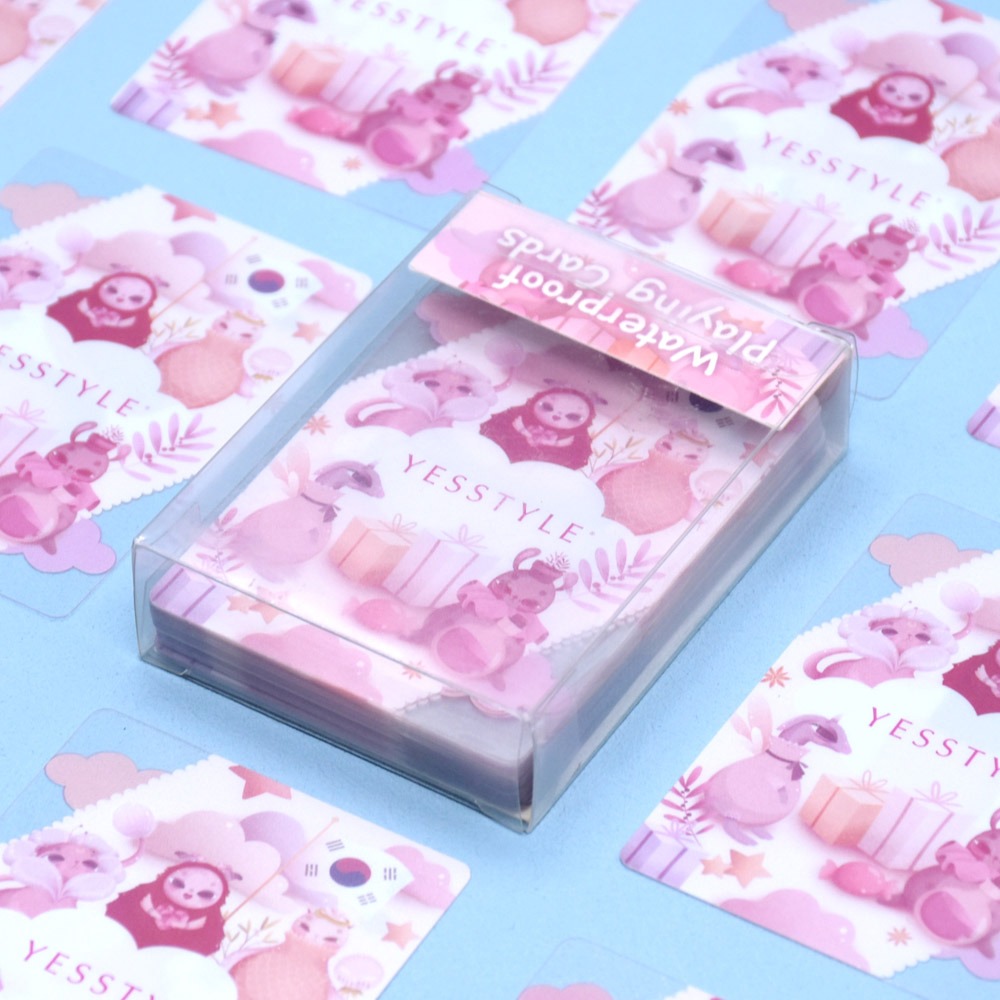
However, differentiation significantly reduces competitive pressure. Growth areas include:
Licensed entertainment tarot decks
Cultural or mythology-based themes
Anime or gaming-inspired designs
Limited edition collectible releases
Premium foil and luxury packaging versions
For publishers and entertainment companies, tarot decks can function as brand extensions. A licensed IP tarot deck can appeal to an existing fan base, creating built-in demand.
From a manufacturing perspective, this is positive. Premium finishes such as:
Foil stamping
Embossing
Spot UV
Holographic effects
Rigid box packaging
increase average order value and improve margins.
Therefore, while the generic low-cost segment may be competitive, the branded and premium segment still provides room for new entrants.
The category is not oversaturated for companies with strong IP assets, brand positioning, or differentiated design strategies.
What Types of Companies Are Profiting from Custom Tarot Decks?
Profitability in this segment is increasingly driven by structured businesses rather than individual hobby creators.
1. Game Publishers
Some card game publishers expand their product lines by introducing tarot decks. These may include thematic crossover products or standalone spiritual-themed releases.
Advantages for publishers include:
Existing distribution networks
Established printing supply chains
Strong design teams
Bulk tarot deck production can be integrated into existing manufacturing workflows with minimal adjustment.
Profitability in this segment is increasingly driven by structured businesses rather than individual hobby creators.
2. Entertainment Brands
Film studios, streaming platforms, and media companies sometimes launch branded tarot decks as merchandise. These products function as collectible items rather than traditional divination tools.
Licensed tarot card production allows brands to monetize fan engagement through physical goods. Limited edition runs often justify premium pricing.
3. Private Label E-commerce Sellers
Some online sellers focus on private label tarot decks manufactured through OEM factories. They build brand identity around packaging, storytelling, and digital marketing.
For these businesses, selecting the right tarot card manufacturing partner is critical to maintaining consistent quality and delivery timelines.
4. Global Distributors and Wholesalers
Gift product distributors often add tarot decks to their catalog because:
The product has stable demand
It fits standard display formats
It allows high design variation
Wholesale tarot card distribution relies on dependable bulk card printing suppliers capable of consistent reorders.
Across these company types, profitability depends on production cost control, brand positioning, and efficient supply chain coordination.
The Growing Demand for Personalized and Premium Tarot Decks
One of the strongest trends in 2026 is the demand for personalization and premiumization.
Consumers increasingly prefer:
Unique artwork
Limited editions
High-quality card stock
Special finishes
Custom rigid box packaging
This trend benefits OEM tarot card factories. Customization increases order complexity but also raises unit value.
Premium tarot deck manufacturing often includes:
350gsm or higher card stock
Linen or textured finishes
Gold or silver foil stamping
Magnetic closure rigid boxes
Integrated guidebook printing
These upgrades move tarot decks into the collectible gift segment rather than low-cost paper goods.
For manufacturers, this means:
Higher average order values
More value-added services
Stronger client retention
For procurement managers and brand owners, premium features allow higher retail pricing and better margin structures.
The combination of emotional appeal and premium physical design supports sustainable demand growth.
Is Selling Custom Tarot Cards Still Worth It in 2026?
From a B2B perspective, tarot decks remain a viable specialty product category in 2026.
Key strengths include:
Stable global demand
Compatibility with bulk card printing infrastructure
Strong customization flexibility
Opportunities for private label development
Premium packaging upsell potential
The category does not rely solely on short-term trends. It is supported by ongoing interest in spirituality, self-reflection, and collectible design products.
For publishers and entertainment brands, tarot decks can serve as strategic product line extensions. For distributors, they provide recurring wholesale opportunities. For OEM/ODM manufacturers, they represent a scalable printed product with value-added customization options.
However, profitability depends on:
Clear brand positioning
Efficient bulk tarot deck production
Reliable manufacturing partnerships
Cost management and quality consistency
Companies entering the segment should evaluate supplier capability in areas such as:
Custom tarot card printing services
Luxury tarot deck manufacturing
Private label packaging solutions
Stable large-volume production capacity
In conclusion, selling custom tarot cards in 2026 is still commercially worthwhile for companies approaching the segment strategically. The opportunity lies not in generic low-cost decks, but in branded, premium, and well-positioned products supported by professional manufacturing partners.
For publishers, wholesalers, and OEM factories, tarot decks continue to offer sustainable potential within the global specialty card market.
Want to design your own unique tarot deck?
Contact Jinguanprinting.com (Click Here) for more information.