

Creating a custom trading card game or collectible card project is an exciting venture. Whether you are an independent game creator, an established brand, or an enterprise marketer, turning your digital artwork into physical cards requires clear planning and the right manufacturing partner.
As a specialized printing company in China with decades of experience, we guide creators through every step of game card production costs, material selection, custom finishes, and bulk manufacturing. Below is your step-by-step guide to bringing your custom trading card vision to life.
What Are Custom Trading Cards and TCG Printing?
Understanding the distinctions among card types helps ensure your game mechanics, collectibility, and production specifications align perfectly.
Understanding Trading Cards, Collectible Cards, and TCG Cards
- Trading Cards: Traditionally feature sports stars, pop culture icons, or memorabilia. They are primarily designed for collecting and trading rather than active gameplay.
- Collectible Cards: Limited-edition cards focused on artistic value, rarity, and aesthetic appeal, often using specialty finishes like foil stamping or holographic effects.
- Trading Card Games (TCG): Interactive games where players build customized decks using specific card rules, rarity tiers, and competitive mechanics.
- Custom Card Games: Standalone tabletop or party card games with fixed deck compositions, designed for casual or self-contained gameplay.
Why Businesses and Game Creators Choose Custom Trading Card Printing?
- Launching Independent Card Games: Tabletop creators leverage custom printing to transform indie designs into commercial tabletop games.
- Creating Collectible Products: Brands develop limited-run collectible sets to build community engagement and drive direct sales.
- Marketing Campaigns: Companies use custom logo playing cards and promotional decks as high-impact promotional giveaways.
- Educational and Entertainment Applications: Schools, non-profits, and corporate trainers use custom cards for interactive learning tools.
Step 1 – Define Your Custom Trading Card Project Requirements
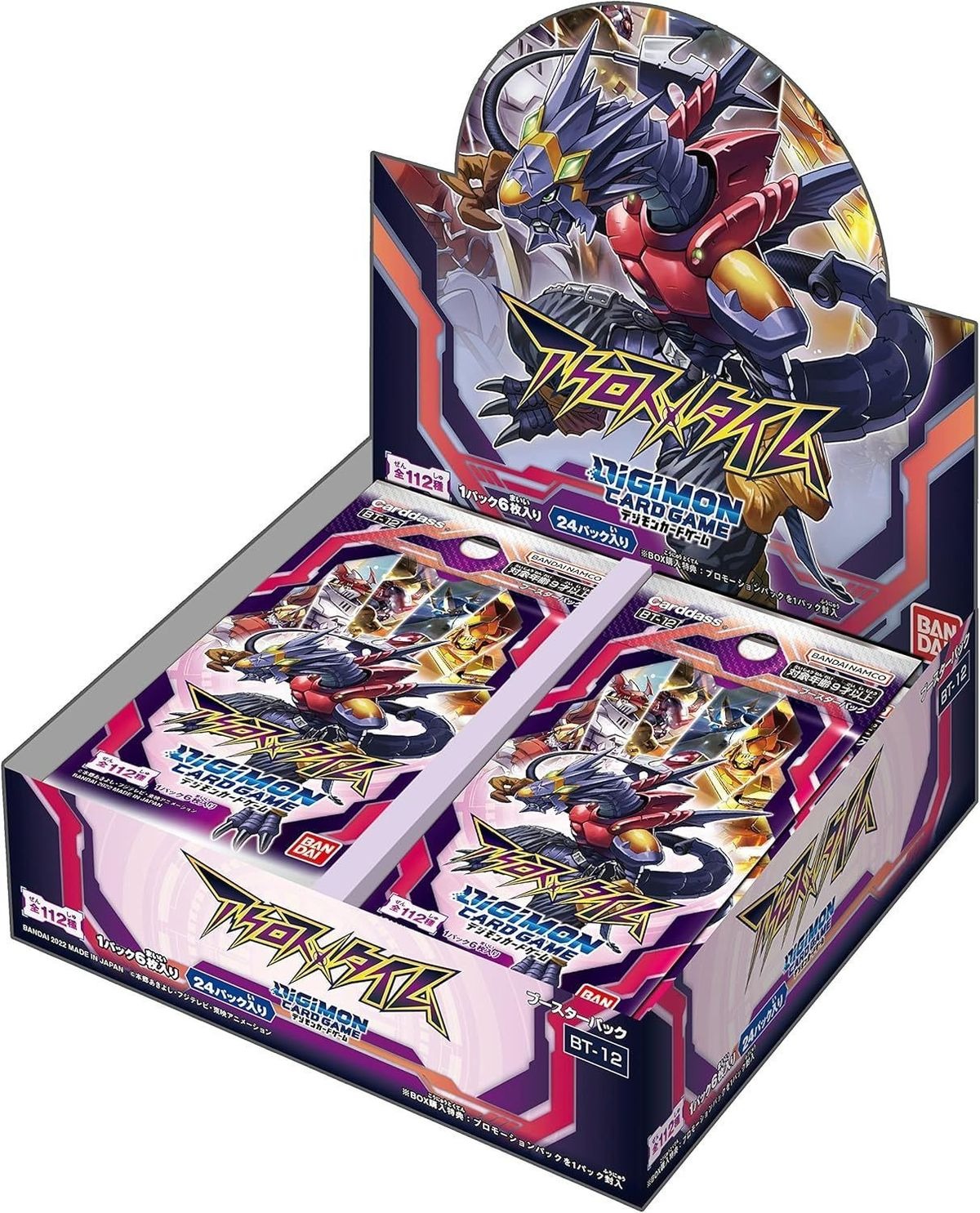
Every successful production run starts with clear technical specifications during the quoting phase.
Determine Your Card Type, Purpose, and Application
Identify how your cards will be handled:
- TCG Cards & Game Cards: Require high durability, consistent card thickness, and precise cutting to ensure smooth shuffling.
- Sports & Collectible Cards: Focus heavily on premium card stock, glossy coatings, and decorative foil effects.
- Educational & Promotional Cards: Prioritize cost-efficient paper options and clear, high-contrast printing.
Select Card Size, Quantity, and Production Requirements
When manufacturing custom TCG cards, choosing standard dimensions helps optimize game card production costs:
|
Specification |
Standard Dimension / Format |
Common Application |
|
Standard TCG Size |
2.5" × 3.5" (63mm × 88mm) |
Trading Card Games, Sports Cards |
|
Bridge / Game Size |
2.25" × 3.5" (57mm × 89mm) |
Traditional Card Games, Party Games |
|
Custom Dimensions |
Fully Customizable |
Mini cards, oversized collectibles |
|
MOQ Considerations |
500 – 1,000 sets |
Cost-effective entry point for bulk printing |
Step 2 – Choose Materials and Finishes for Your Trading Cards
Material choice directly influences durability, feel, and perceived value.
Select the Right Card Stock and Core Structure
When evaluating paper vs plastic playing cards, paper stock with an internal core is the gold standard for TCG manufacturing due to opacity and snap memory:
- Blue Core Card Stock (280–300 GSM): Highly flexible with great opacity; ideal for standard card games.
- Black Core Card Stock (300–330 GSM): The industry standard for competitive TCGs. The opaque black core prevents light transmission (cheating) and delivers optimal card stiffness.
- Plastic (PVC/PET): 100% waterproof and virtually tear-proof, preferred for outdoor, casino, or high-wear promotional decks.
Add Custom Finishes and Special Effects
Enhance collectibility and protect your cards against wear:
- Matte Lamination: Provides a smooth, non-glare surface that feels elegant in hand.
- Glossy Coating / UV Coating: Adds vibrant color depth and high shine.
- Foil Stamping & Holographic Effects: Essential for rare card tiers in TCG manufacturing.
- Embossing: Creates tactile raised textures on logos or titles.
Step 3 – Prepare Your Trading Card Artwork and Print Files
Proper artwork preparation prevents production delays and ensures vivid printing.
Design Your Custom Trading Cards According to Printing Requirements
Bleed Area: Add a 3mm (0.125 in) bleed past the trim line on all sides.
Safe Zone: Keep critical text and icons at least 3mm inside the cut line.
Color Mode: Convert all files to CMYK (not RGB) for accurate color translation.
Resolution: Provide graphics at 300 DPI or higher.
Review Artwork Before Mass Production
Our prepress team conducts rigorous file checks—verifying resolution, alignment, and color profiles—before issuing a digital proof for your final design confirmation.
Step 4 – Create Samples Before Full Trading Card Production
Why Sample Proofing Matters for Custom TCG Printing?
Physical sampling allows you to test:
- Color Accuracy: Confirming print output matches your digital artwork.
- Stock Durability: Testing stiffness, card weight, and handling.
- Special Effects: Verifying foil precision and lamination texture.
Approve Samples Before Bulk Manufacturing
Once the sample is produced, it is shipped directly to you for evaluation. Mass production begins only after receiving your formal approval.
Step 5 – Start Mass Production with Professional Trading Card Printing
Choosing the Right Printing Method for Trading Cards
Compare:
- Offset Printing
- Best for bulk production. Offers unrivaled color consistency, sharp detail, and lower cost-per-unit at higher volumes.
- Digital Printing
- Best for short runs, prototypes, or localized small-batch test runs.
How Jinguan Printing Ensures Efficient Custom Card Manufacturing?
As a lead TCG card supplier and China printing company, Jinguan utilizes advanced Heidelberg offset presses, automated die-cutting machinery, and experienced technical teams to provide complete OEM/ODM manufacturing.
Step 6 – Quality Inspection Before Shipping Custom Trading Cards
Key Quality Control Standards for Trading Card Printing
Every production lot undergoes rigorous inspection covering:
- Color Consistency: Spectrophotometer testing across print runs.
- Cutting Precision: Centered borders with clean die-cut edges.
- Surface Quality: Scratch-free coatings and defect-free foil application.
- Counting & Packaging: Automated counting to ensure complete sets.
Ensuring Every Trading Card Meets Customer Expectations
Focus:
- Production inspection
- Defect prevention
- Reliable delivery
Step 7 – Packaging and Shipping Solutions for Custom Trading Cards
Custom Packaging Options for Trading Card Products
Custom Tuck Boxes: Cost-effective individual deck packaging.
Booster Packs: Foil-sealed blind bags for TCG expansion packs.
Rigid Display Boxes: High-end boxes for collector sets or multi-deck bundles.
Global Shipping Support for Custom Trading Card Orders
We handle international logistics, custom clearances, and door-to-door bulk shipping to ensure smooth, stress-free delivery worldwide.
Step 8 – After-Sales Support for Your Custom Trading Card Project
Supporting Long-Term TCG Printing Partnerships
We build long-term partnerships by supporting client growth beyond the first shipment:
Seamless Reorders: Secure artwork archiving for rapid, color-matched reorders.
Product Expansions: Ongoing assistance for new booster sets, rulebooks, and expansion boxes.
How to Choose a Reliable Custom Trading Card Manufacturer?
When selecting a TCG card supplier, consider:
- Equipment & Capacity: Can they handle both sampling and bulk runs?
- Core Material Expertise: Do they stock authentic black core card paper?
- Quality Control: Is there an end-to-end inspection protocol?
Why Choose Jinguan Printing for Custom Trading Cards?
- 21+ Years of Printing Experience: Decades of industry-proven manufacturing excellence.
- Complete OEM & ODM Solutions: From raw material sourcing to custom packaging design.
- Global Reach: Trusted by board game publishers and brands around the world.
How to Start Your Custom Trading Card Printing Project with Jinguan Printing?
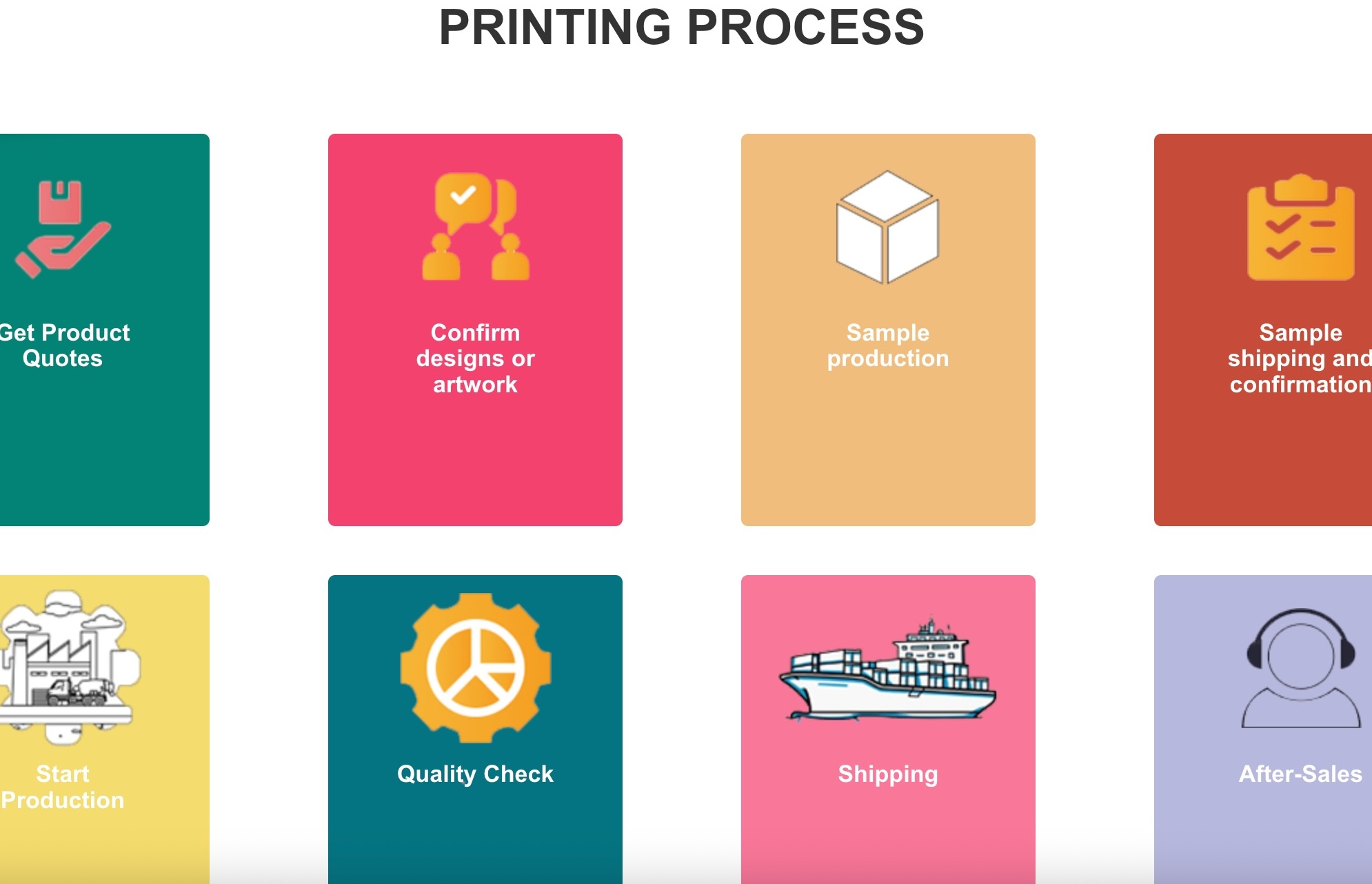
- Send Requirements: Submit your card sizes, quantities, and desired materials.
- Get Product Quote: Receive a transparent breakdown of your game card production costs.
- Confirm Artwork: Upload your files for professional prepress review.
- Approve Sample: Review a physical prototype before full production.
- Start Mass Production: Sit back while your project is manufactured and shipped directly to your door.