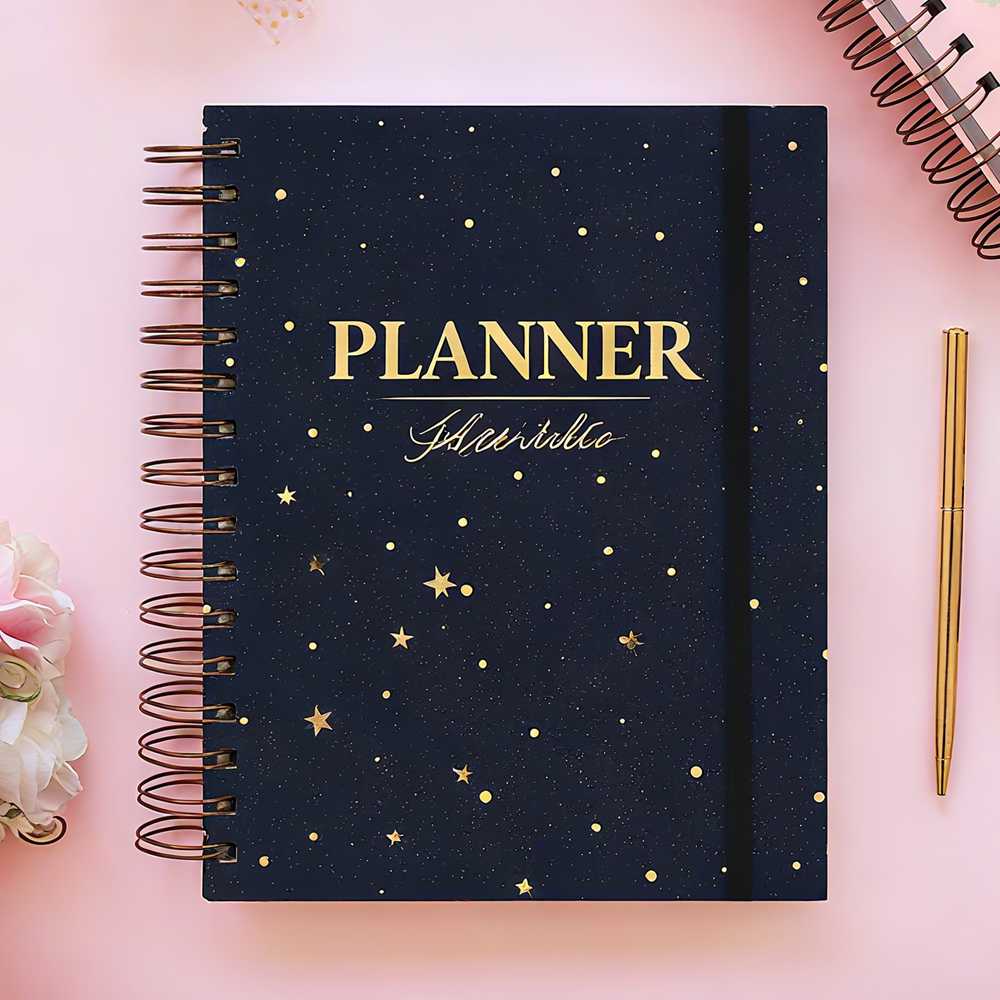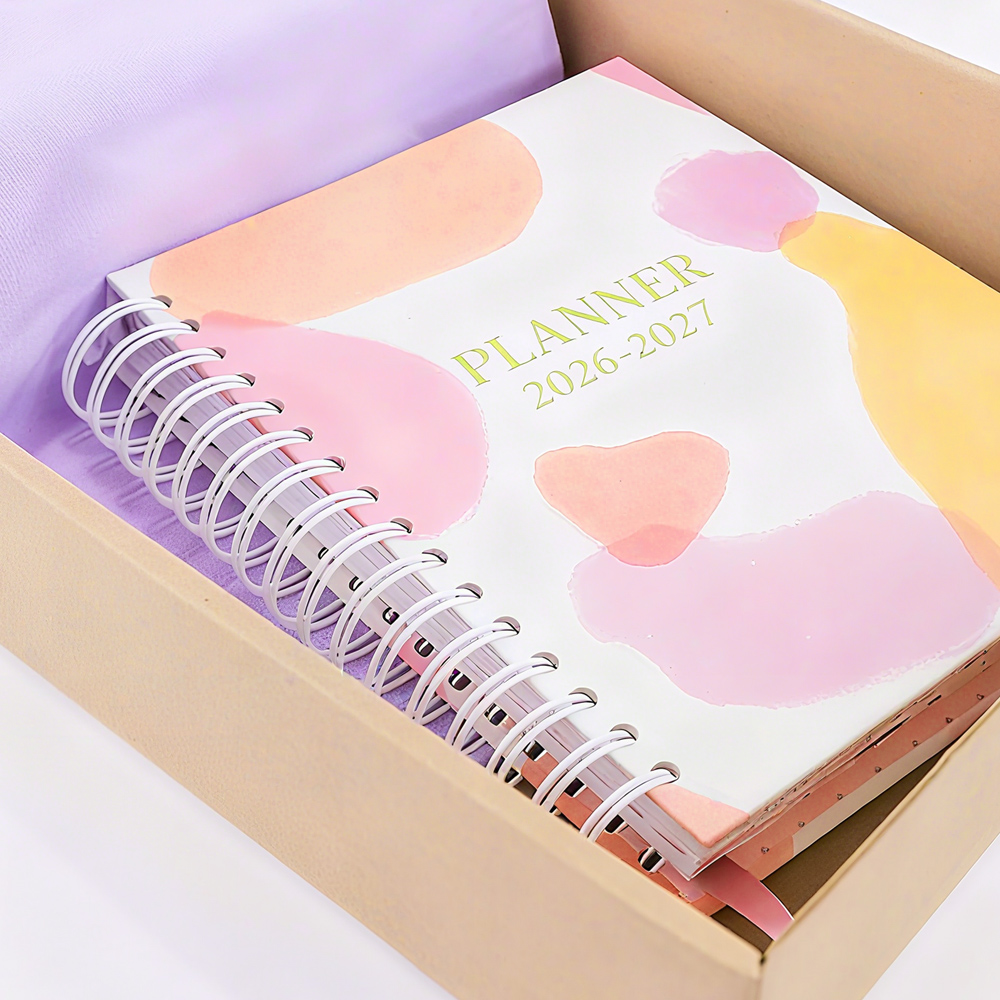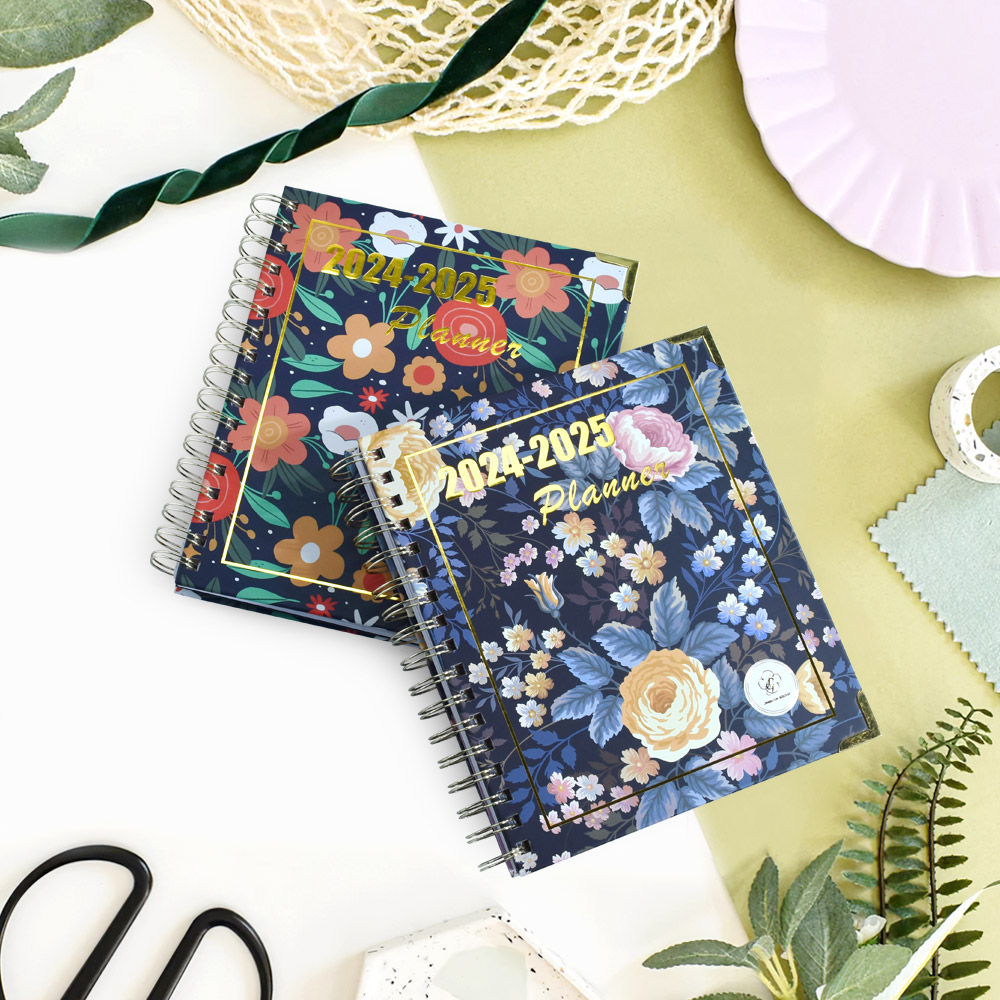

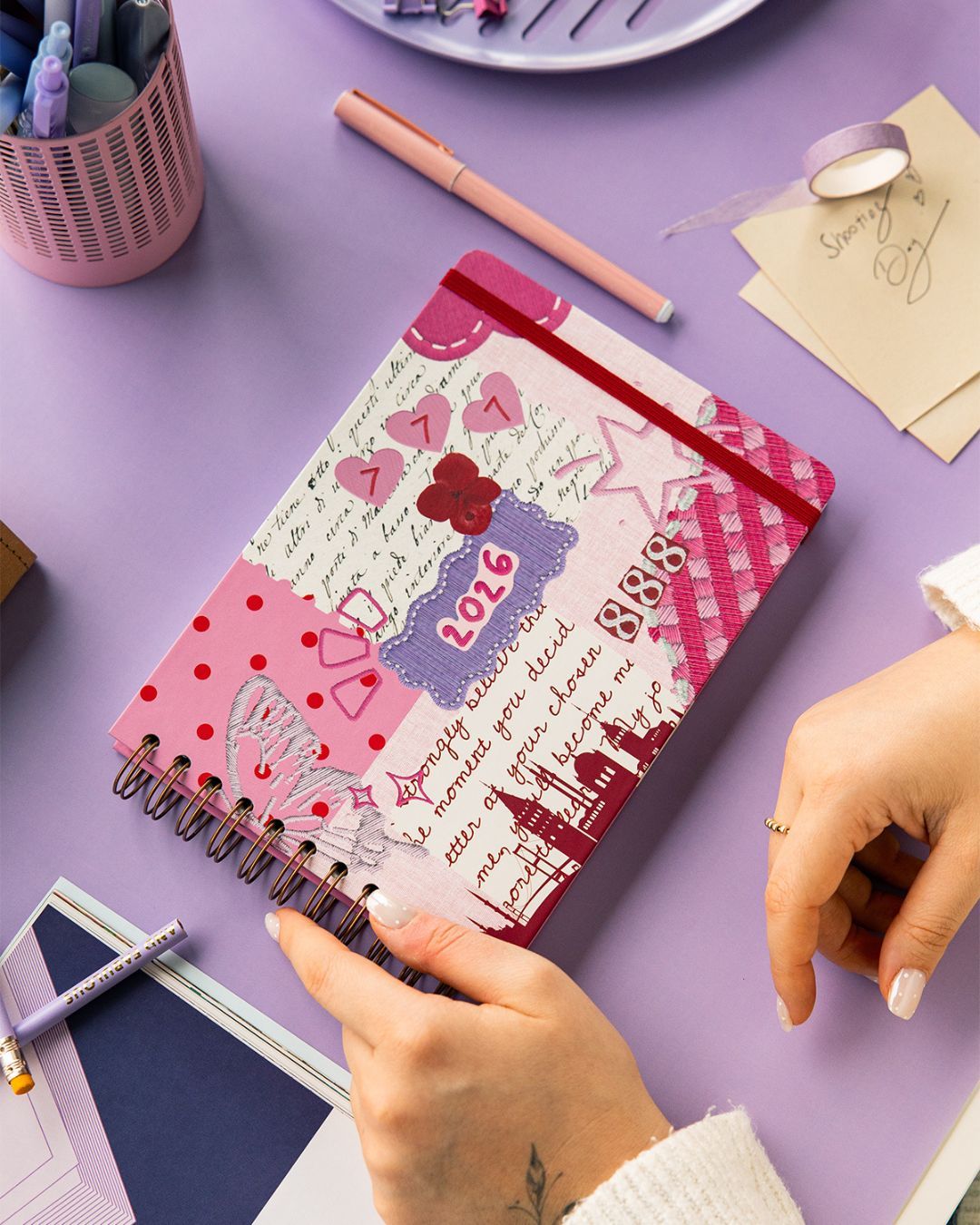
Custom notebooks are more than stationery—they are powerful tools for branding, marketing, education, and personal use. From retail journals to corporate giveaways, choosing the right combination of paper, cover, size, and finishing options determines not only the functionality but also the perceived quality and value of the notebook.
At Jinguan, we guide our clients through every step of the custom notebook production process. Many first-time buyers often ask, ''Which paper is best for my notebook?'' or ''Should I choose hardcover or softcover?'' Over the years, I've helped dozens of brands worldwide make these decisions confidently, balancing aesthetics, functionality, and cost.
This 2025 guide covers everything you need to know about custom notebook printing options, including the most common paper types, cover materials, sizes, printing methods, finishing techniques, and binding choices. Whether you are creating notebooks for corporate gifting, workshops, retail, or promotional purposes, understanding these options will help you make informed decisions.
What Is Custom Notebook Printing?
Custom notebook printing refers to personalizing notebooks according to specific branding, design, and functional requirements. This can include:
- Interior paper type (lined, dotted, grid, blank, or specialty papers)
- Paper weight and quality (GSM, brightness, opacity)
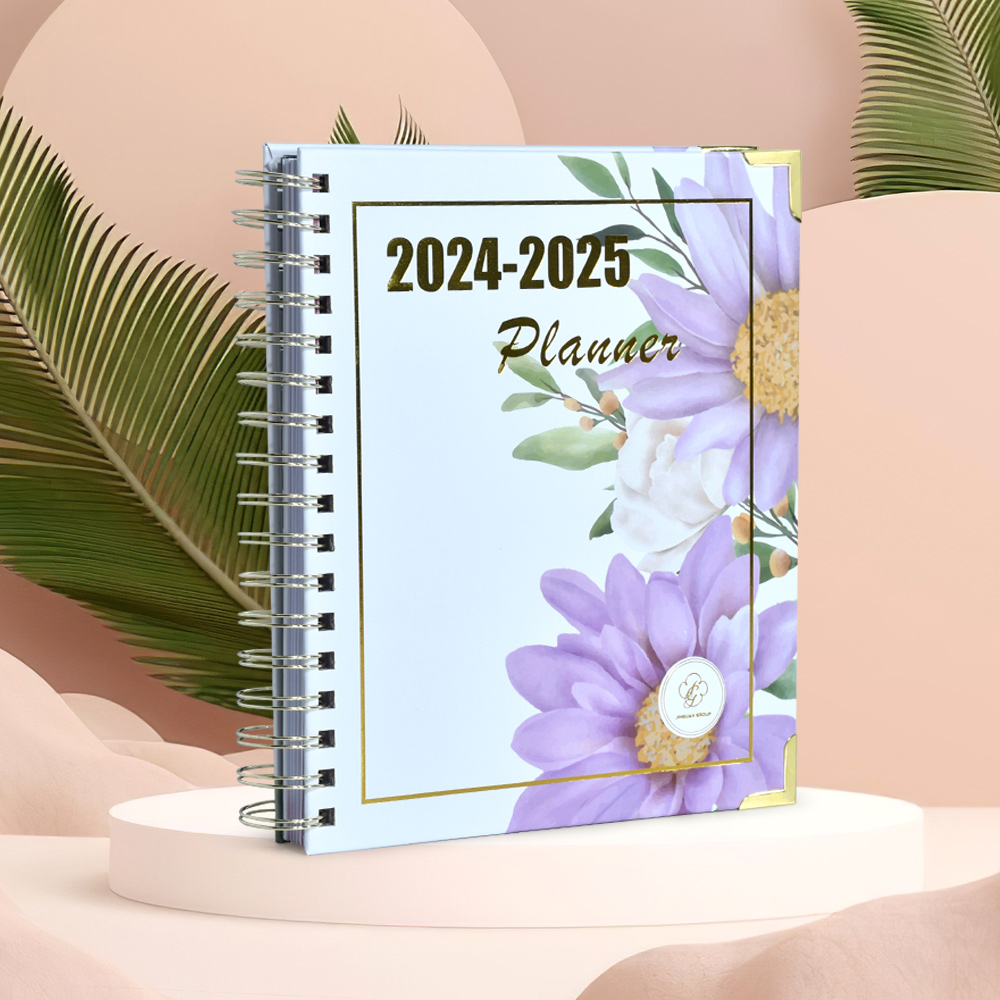
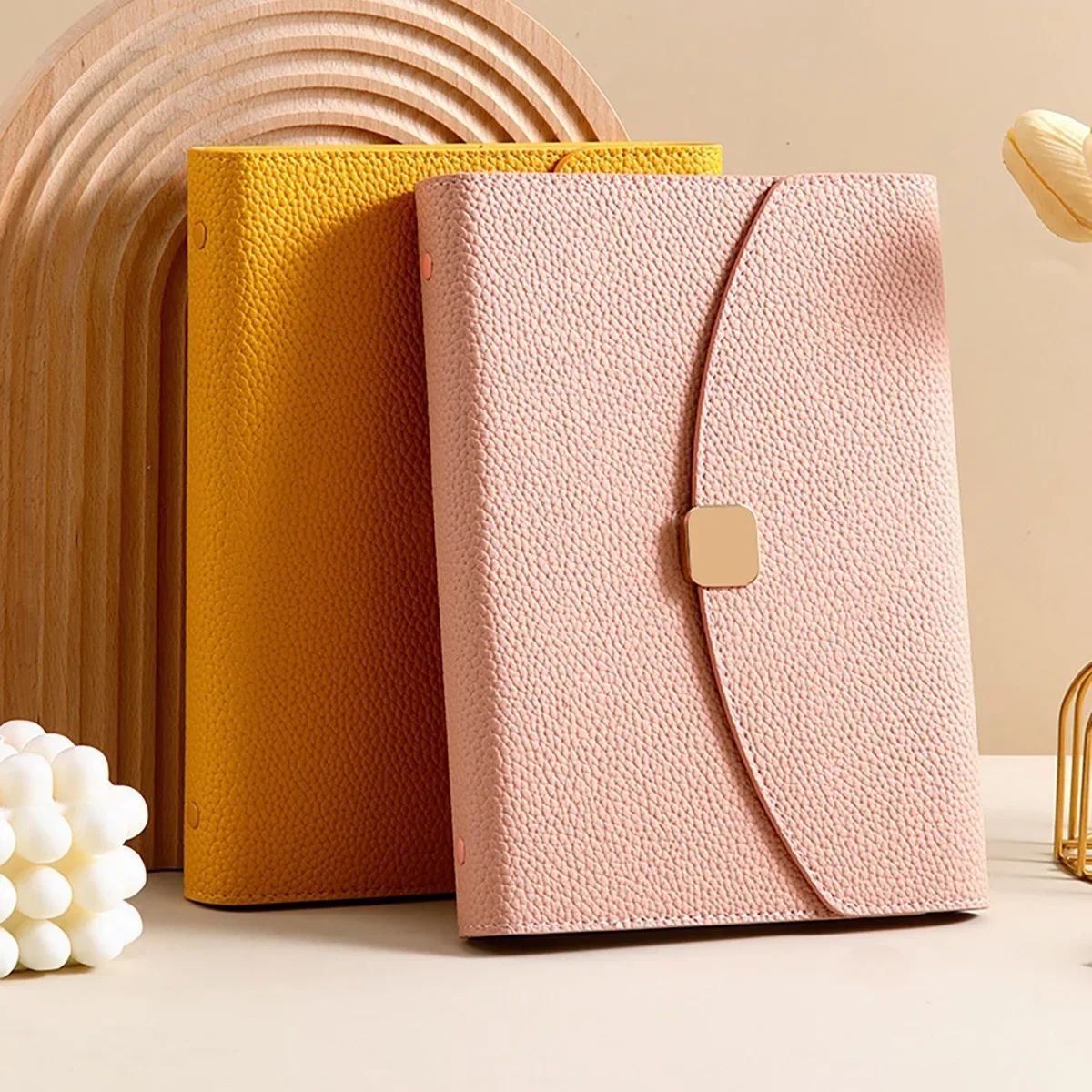
- Cover material (softcover, hardcover, PU, linen, kraft, eco-friendly materials)
- Notebook size (A4, A5, B5, pocket sizes, or fully customized dimensions)
- Printing methods (digital, offset, screen printing)
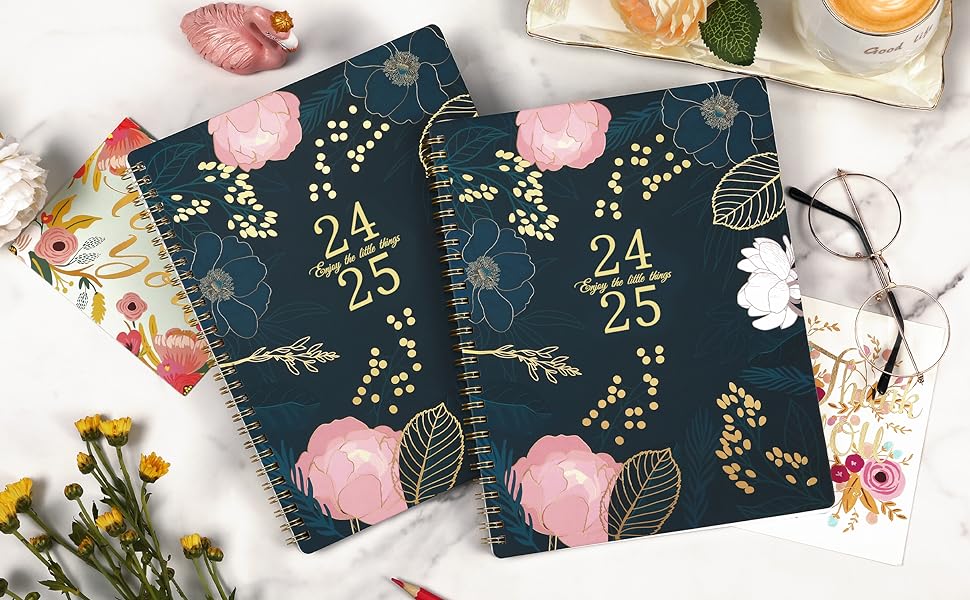
- Finishing options (lamination, foil stamping, embossing, debossing, spot UV)
- Binding type (spiral, saddle stitch, perfect binding, hardcover case binding)
At Jinguan, we often find that the most successful notebooks are the ones where these choices align with usage scenarios and brand positioning.
Notebook Paper Options: Comfort and Functionality Matter
The interior pages define how your notebook feels and performs. Selecting the right paper affects writing experience, ink absorption, durability, and overall quality perception. Here are the most common options:
Standard Paper Types
- Woodfree Paper (Offset Paper): Smooth, versatile, and compatible with pens, pencils, and markers. Widely used in journals, planners, and school notebooks.
- Cream Paper: Gentle on the eyes, perfect for writing-heavy notebooks and planners.
- White Paper: Clean, modern look, ideal for corporate or retail notebooks.
- Recycled Paper: FSC-certified and eco-friendly options for brands prioritizing sustainability.
- Specialty Paper: Includes textured, kraft, or high-opacity paper for premium or creative notebooks.
Paper Weight (GSM)
- 70–80gsm: Lightweight, cost-effective, common for student and promotional notebooks
- 100gsm: Offers better ink handling, preferred for planners and sketchbooks
- 120–160gsm: Premium feel, suitable for luxury journals and gift notebooks
Tip from Jinguan: For custom notebooks used with markers or fountain pens, we recommend 100–120gsm to prevent ink bleed-through, while still keeping the notebook lightweight for daily use.
Notebook Cover Options: First Impressions Count
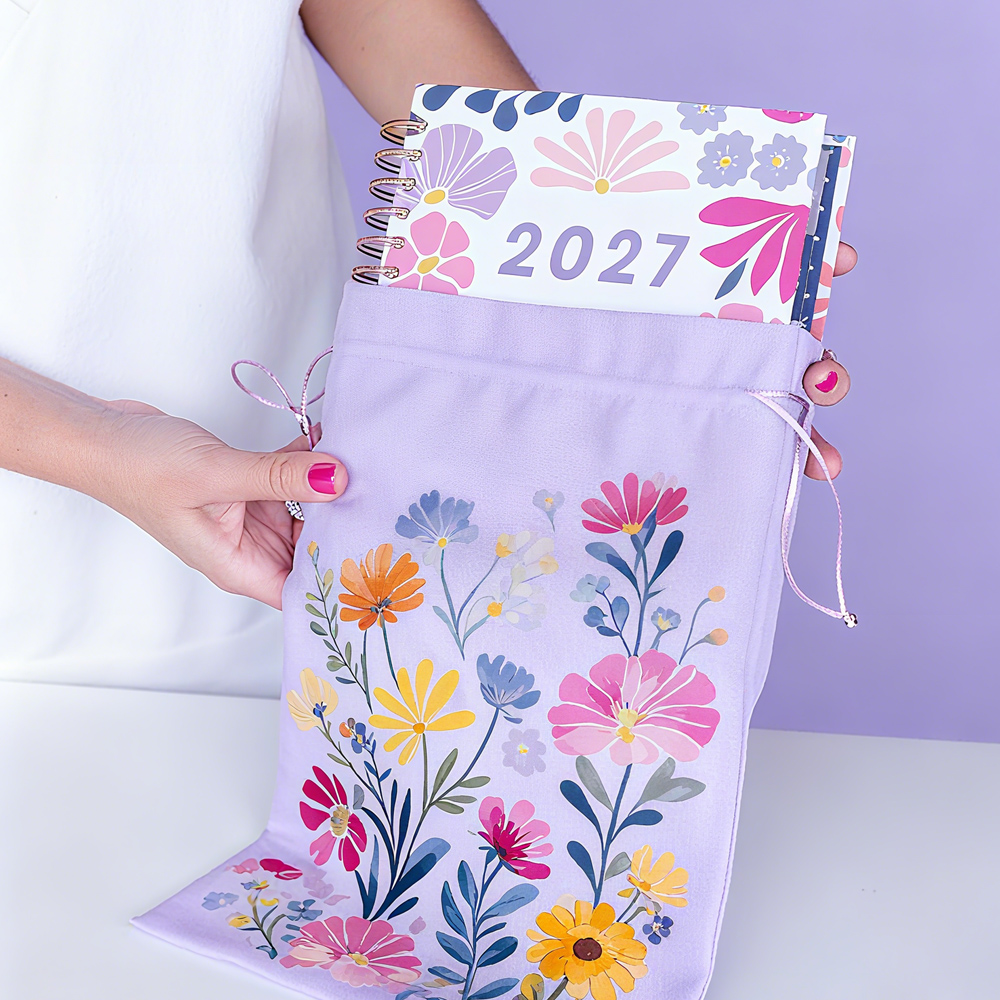
The cover is the most visible element of a notebook. It affects durability, branding, and tactile experience.
Softcover Notebooks
- Materials: Coated art paper, kraft, synthetic paper
- Advantages: Lightweight, cost-effective, flexible
- Best for: Event giveaways, bulk promotional notebooks, small-batch custom orders
Hardcover Notebooks
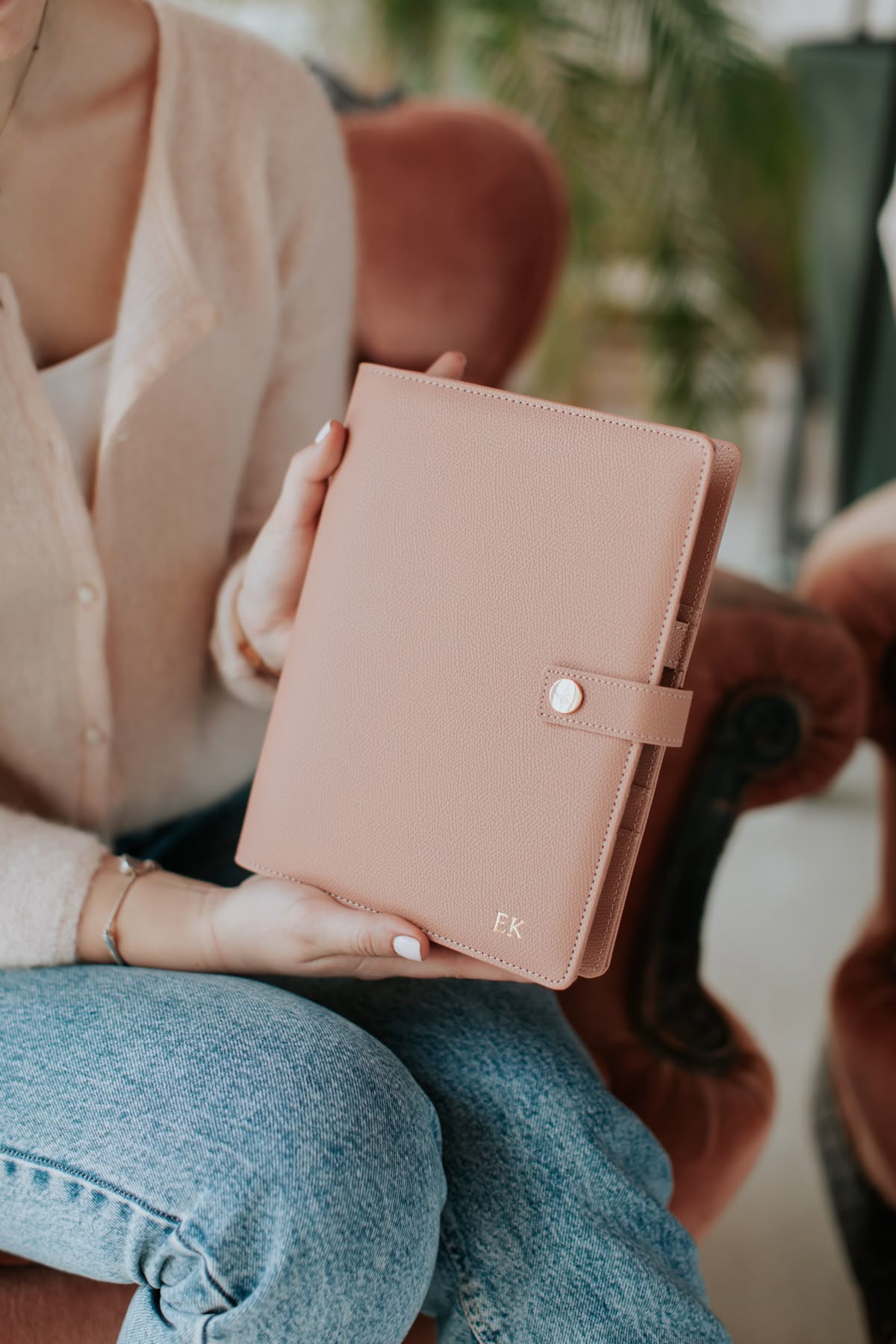
- Materials: PU leather, linen, textured paper-wrapped board, or eco-friendly alternatives
- Advantages: Durable, premium feel, supports embossing, debossing, foil stamping
- Best for: Executive gifts, luxury retail notebooks, high-end corporate planners
At Jinguan, I often advise clients to consider hardcover for projects where the notebook is intended as a long-term brand touchpoint, such as corporate gifting or subscription boxes.
Notebook Sizes: Standard and Custom
Notebook size impacts portability, usability, and printing cost. Standard sizes include:
- A4 (210 × 297 mm): Ideal for office use and note-taking
- A5 (148 × 210 mm): Most popular for planners and journals
- B5 (176 × 250 mm): Common in academic notebooks
- Pocket / A6 (105 × 148 mm): Compact, portable, and travel-friendly
Custom Sizes: Jinguan frequently supports custom dimensions to match unique branding, packaging, or product design requirements.
Printing Methods: Digital vs. Offset
Digital Printing
- Ideal for small runs or personalized notebooks
- Supports variable data and customization
- Quick turnaround, lower setup cost
Offset Printing
- Best for large-volume orders
- Consistent high-quality color reproduction
- Cost-efficient for long runs
Cover Printing: Can include CMYK full-color, Pantone matching, or minimalist black-and-white. I always recommend clients choose the printing method based on order size, budget, and finishing requirements.
Finishing Options: Elevate Your Notebook Brand
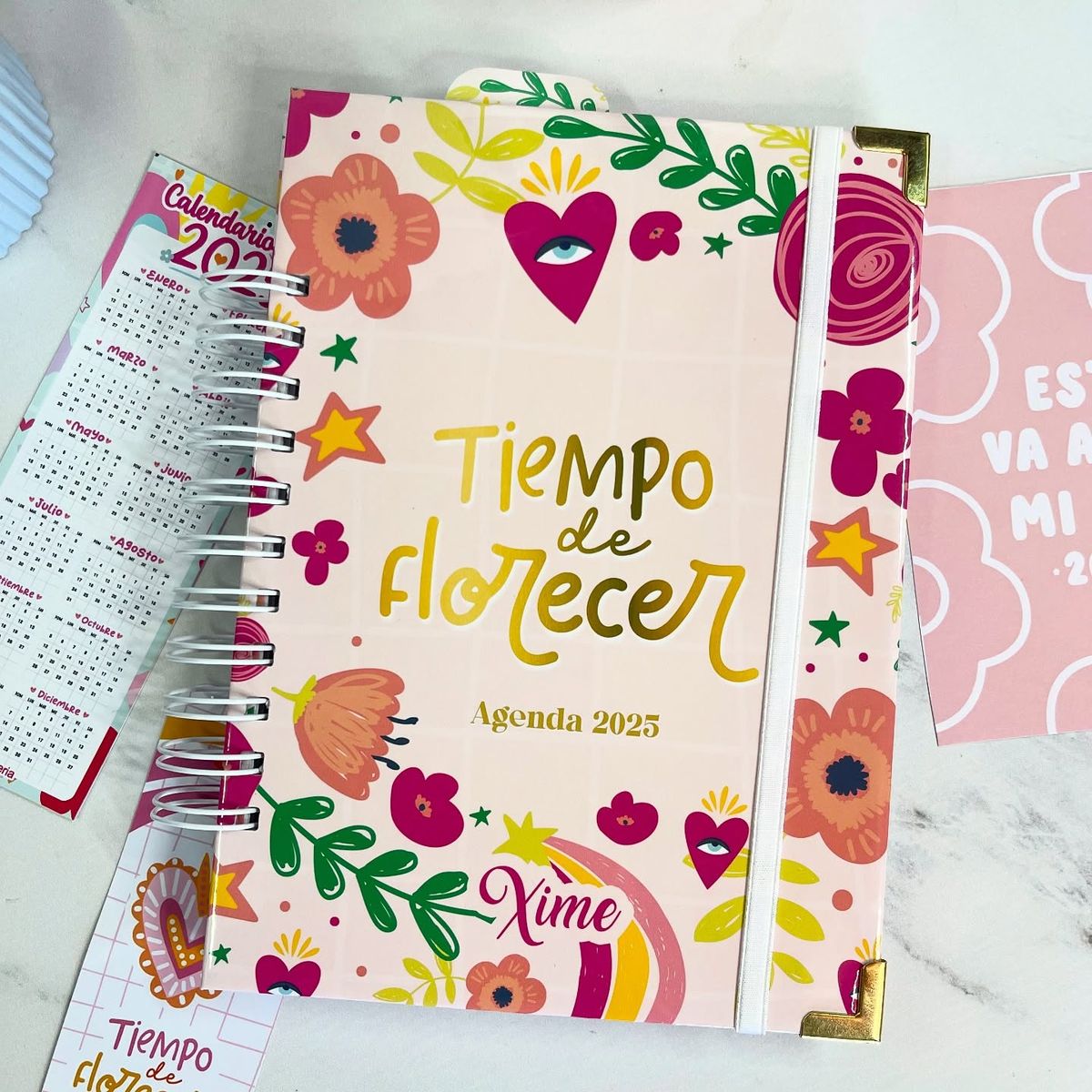
Finishing adds visual appeal, texture, and durability to your notebook:
- Lamination (Matte/Gloss): Protects covers from scratches and spills
- Foil Stamping: Adds premium gold, silver, or custom metallic branding
- Embossing / Debossing: Creates texture and depth for logos or designs
- Spot UV: Highlights specific design elements
- Rounded Corners: Provides a refined, polished look
At Jinguan, we often suggest a combination of finishes to balance cost, durability, and visual impact. For instance, foil stamping a logo on a matte laminated hardcover gives a premium feel without drastically increasing production costs.
Binding Considerations in Printing Options
Binding interacts closely with printing and finishing choices:
- Spiral (Wire-O / Coil): Excellent for lay-flat notebooks, sketchbooks, or workshop materials
- Saddle Stitch / Thread Sewn: Economical for slim notebooks, event giveaways
- Perfect Binding: Retail-ready, square spine, suitable for planners or journals
- Hardcover Case Binding: Premium, long-lasting, supports embossing/foil finishes
Understanding the interaction between binding and printing helps prevent production errors and ensures a high-quality final product.
Sustainability in Custom Notebook Printing
Sustainability is increasingly important in 2025. Brands often request:
- FSC-certified or recycled paper
- Eco-friendly adhesives
- Water-based or soy-based inks
- Recyclable packaging
At Jinguan, we advise clients on how to maintain a premium feel while meeting sustainability goals, such as using kraft covers with matte lamination or recycled paper interiors.
Cost Drivers and MOQ
Pricing depends on multiple factors:
- Paper quality and GSM
- Cover material and finishing
- Printing method and ink type
- Binding method
- Order quantity
From our experience, softcover notebooks with simple printing and lamination are most cost-effective, while hardcover notebooks with foil stamping and embossing represent the premium end. MOQ flexibility at Jinguan ensures even small brands can access custom notebooks without excessive inventory risk.
Conclusion
Choosing the right combination of paper, cover, size, finishing, and binding is essential to creating a custom notebook that is functional, durable, and brand-aligned. Every decision impacts user experience, cost, and brand perception.
At Jinguan, we work closely with clients to navigate these options, helping them make informed, cost-effective, and high-quality decisions. Whether you are planning small promotional notebooks or luxury hardcover journals, understanding these options ensures your notebooks deliver both value and impact.